

Name: Dom Jones
Occupation: I work for the NHS in research and innovation strategy.
Home Town: London
Questions
What is your running background?
I started running in 2011 when I was working for a shoe company called Vivobarefoot. They
were early proponents of ‘barefoot running’. In my first week I thought I’d better give it a try, so I went running in London in January in just a pair of socks. I came back with Jaffa cake sized blisters on both feet. I mostly wore shoes after that. One of the things I did there was help them set up a new business training running coaches, so as well as free running shoes I also got lots of help from some brilliant runners.
When did you first start running Ultra marathons and why?
Around that time a book called “Born to Run” had been published, and through work I was lucky enough to meet the author, Chris McDougall, and spend time with him and many of the runners featured in the book including ultramarathon legends like Scott Jurek. That opened my eyes to the world of ultras – I was inspired to try one, so a few years later in 2014 I ran the London to Brighton ultra. Looking back, my training and overall health wasn’t great (I smoked at least one cigarette while running that event), but I was incredibly proud to finish. That year I also read another book, ‘Feet in the Clouds’ by Richard Askwith, which motivated me to train for and run a Bob Graham Round in 2015.
When or where (at which events) are we most likely to see you?
I love variety in my racing. In the last few years I’ve done some track and road races,
marathons, fell races, sky running, trail, mountain and road ultras, FKTs etc. There are so many great races in the UK I’ve yet to experience, but I try and run one of the Centurion events most years – I love the courses and the community there. For training, a long weekend running in the Lake District is my happy place.
What are your personal key running achievements to date?
Bob Graham Round 2015
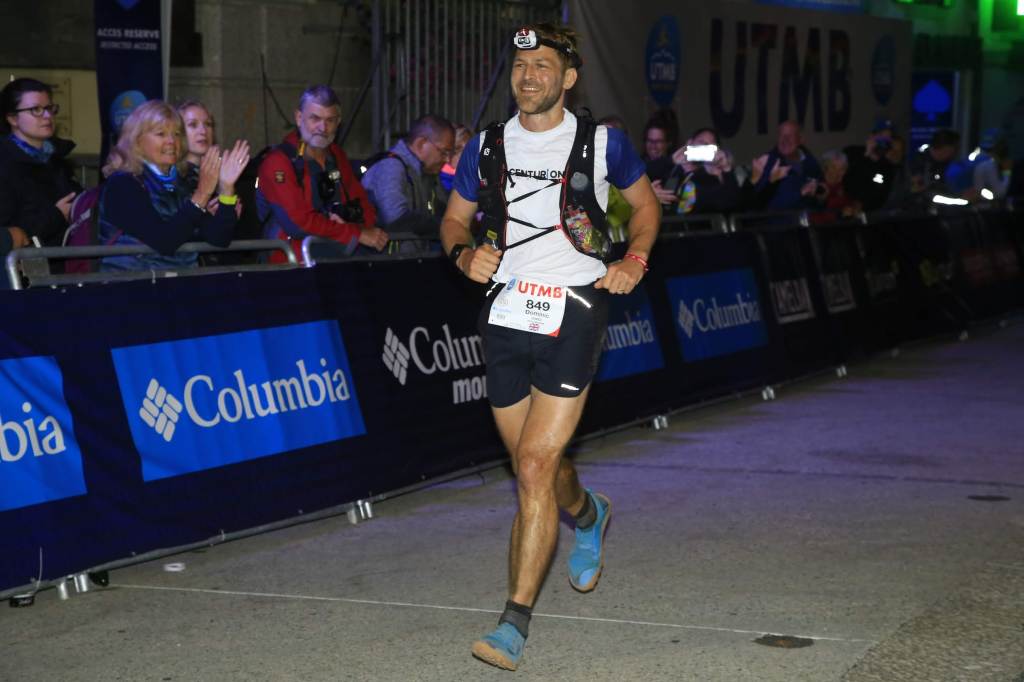
UTMB 2019
Capital Ring FKT 2020
Autumn 100 2024
What was your hardest race experience?
They all feel like the hardest at the time and easier in hindsight the more time passes.. so on that basis the hardest was probably my most recent race which was the Grossglockner 110 in Austria – we ran all night over very technical high alpine trails through a storm and fog only for the race to be abandoned after 10 hours due to the extreme weather conditions.
What is your typical race strategy for an ultra?
Divide the race into chunks, manage the effort early on, keep eating and drinking, have some words to tell yourself when it gets difficult.
What does a typical training week look like?
Mostly easy running on roads, 1 faster run (sometimes on the track), 1 longer run, some strides, a day off, around 50-60 miles usually. Recently a bit more strength and conditioning in the gym and some saunas.
What one tip would you pass onto people running an Ultra marathon for the first time?
Enjoy the adventure of it.
Can you tell us one interesting fact about yourself?
For a brief while I made a living working in a shop that sold healing flower potions.
Have you taken part in the Spartathlon before?
No
What are you looking forward to at the Spartathlon race?
Everything, but especially running as part of a team.
What are you not looking forward to during the Spartathlon race?
Nothing (ok fine the prospect of being chased by wild dogs).
How will you prepare specifically for the Spartathlon race?
I’m writing this from a summer holiday in Greece, booked before I knew I was running
Spartathlon. Running here in the mid-day heat on hilly roads has been great preparation.
Will you be bringing any support crew to the race? (If so, please introduce them briefly)
My amazing and very understanding wife Sarah, my dad John, and his partner Judith.





 British Spartathlon Team