
Name: Luke Carroll
Occupation: Software Adoption Specialist
Home Town: Portsmouth
Socials: lukeultra.co.uk
Questions
What is your running background?
I started running during Covid in 2020 and almost immediately caught the bug. What began as a way to stay active during lockdown quickly turned into something much more ambitious, I started pushing the distances further and further, eventually running ultra distances around the block just to see how far I could go. That curiosity snowballed into competing in multiple ultra marathons, ranging from 50Ks all the way up to 100 miles, as well as a variety of other formatted events.
When did you first start running Ultra marathons and why?
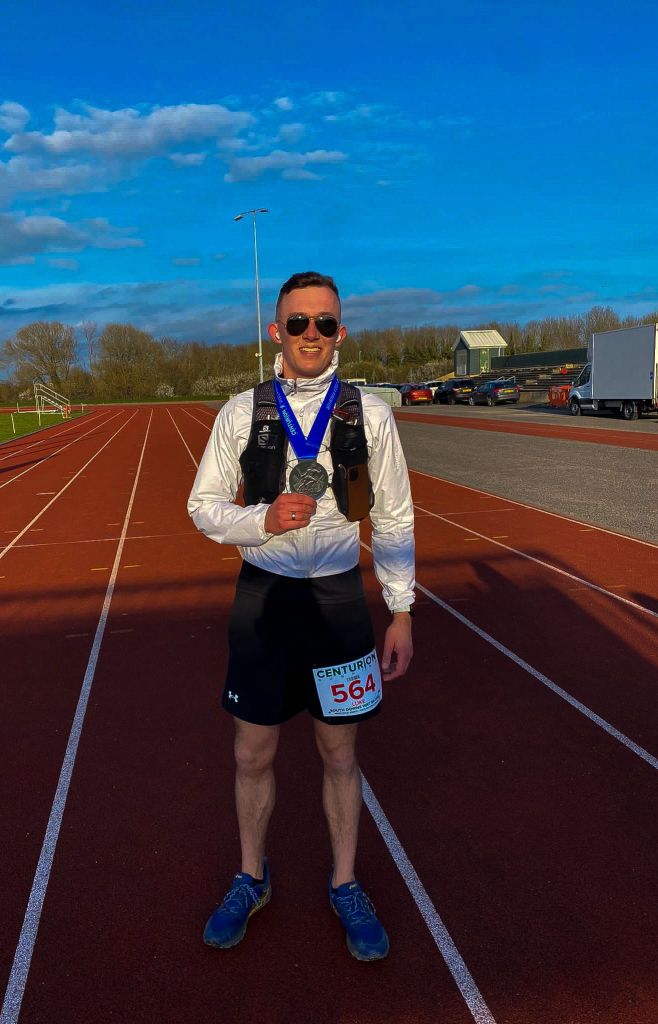
I ran my first ultra marathon in 2021, starting with the Centurion South Downs Way 50. I’ve always been drawn to people who do what most consider impossible, there’s something deeply compelling about watching someone push beyond what seems like a human limit. I wanted to find out for myself where my own limits were, and whether I could keep pushing past them.
When or where (at which events) are we most likely to see you?
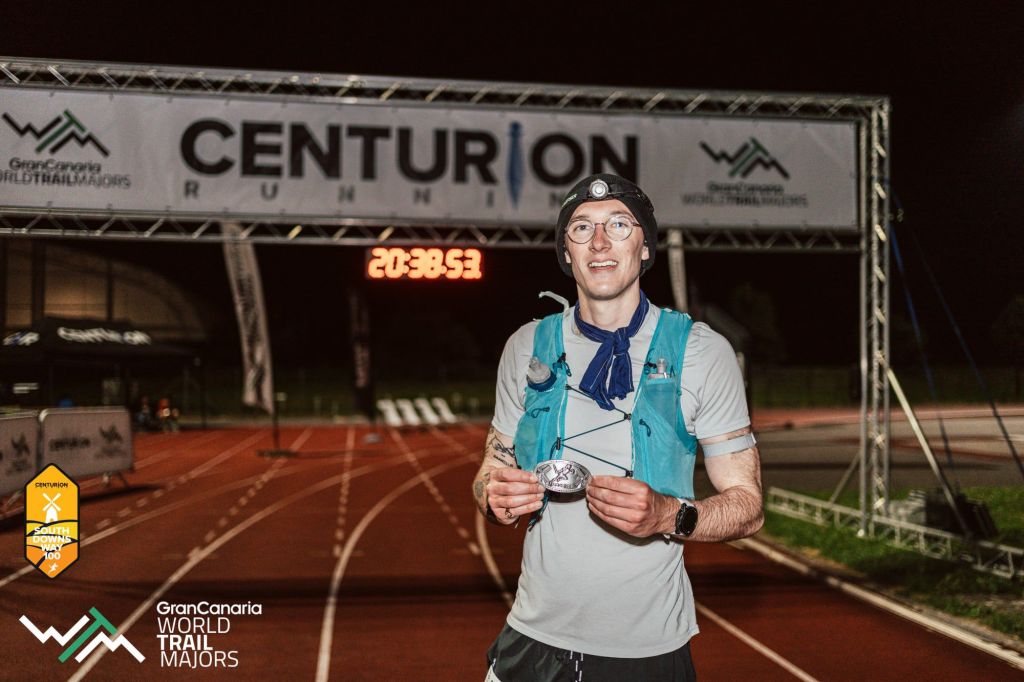
I’m a big fan of Centurion events. I’ve raced several of their ultras and they consistently deliver, brilliantly organised and courses that genuinely challenge you. My preference is the 100-mile distance, where I feel most at home, though I’ll drop down to shorter distances for B races or when I’m targeting a specific training focus.
What are your personal key running achievements to date?
– Sub-24-hour 100 miles on my first attempt
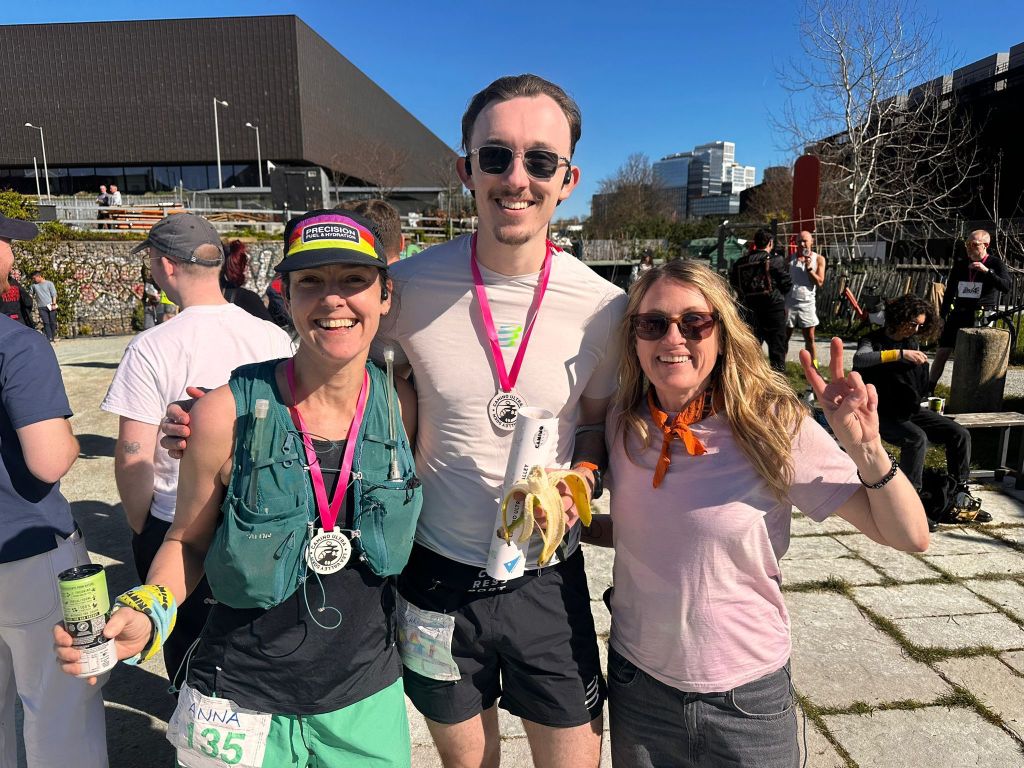
– Finishing 5th at Snowdon 100 last September
– Running a 3:05 marathon split within a 50K ultra, finishing 5th overall
– 24 loops at Longbridge Backyard Ultra
What Races do you have planned up to Spartathlon
At the time of writing, I have Race to the Stones 100K in July on the calendar. It’s been a testing year so far, managing a series of injuries has meant having to withdraw from both Spring Trails 50K and SDW 100, which was a difficult pill to swallow. The focus now is on arriving at Race to the Stones healthy and using it as solid prep for Spartathlon.
What was your hardest experience?
Without question, my first 100-miler, the SDW 100. I hit multiple low points throughout that race and there were moments where quitting felt like the only sensible option. What got me through was refusing to give in to that voice. Pulling through to the finish was one of the most rewarding things I’ve done in running, and it taught me more about my own resilience than any training session ever could.
What is your typical race strategy for an ultra?
I don’t follow a rigid strategy, it’s always shaped by the race distance and what I’m trying to achieve. For anything under 50 miles, I’ll push out relatively hard early on to clear the mid-pack, particularly on narrower trails where getting boxed in can cost you significant time. For 100-milers, the approach is very different, I’ll seek out a group running a compatible pace and sit with them, using the collective rhythm to stay honest and avoid the classic mistake of going out too hard in the early stages. Then, as the race develops and I get a feel for how my body is responding, I’ll make a decision about when to push on and run my own race.
Nutrition is something I manage carefully throughout. I set reminders on my watch to prompt me to consume food, gels, and liquids at regular intervals, which helps prevent the all-too-common mistake of forgetting to fuel until it’s too late. I also include salt tablets as part of my nutrition plan, I’m a heavy sweater and keeping on top of electrolytes is essential for me. If nausea sets in at any point, I’ll ease off solid food and focus purely on liquids until things settle, then gradually reintroduce fuel from there.
What does a typical training week look like?
When I’m fully fit, I’ll run five or six times a week, structured around one or two long runs and a dedicated speed session. Alongside that, I fit in two lower-body strength sessions, which I consider non-negotiable for staying robust over long distances.
Currently, I’m in a rebuilding phase, with a lot of time on the bike for cardiovascular work alongside short bodyweight circuits to maintain fitness. I’m carefully increasing my mileage while managing ongoing injuries, with strength work tailored specifically to address weaknesses and reduce the risk of future problems.
What one tip would you pass onto people running an Ultra marathon for the first time?
Prepare for things to go wrong, because they will. In every ultra I’ve run, something has gone sideways at some point, whether it’s a minor inconvenience or something more significant. The runners who struggle most are those who’ve only planned for the perfect race. Accept early that it won’t go to plan, and you’ll find it far easier to adapt and improvise when the inevitable happens.
Tell us one interesting fact about you?
Before my current role, I served seven years in the Royal Navy. Much of my ultra marathon training during that time was done at sea, hours on a treadmill staring at a bulkhead (wall). It sounds brutal, but it gave me an unusual edge. I became very good at managing monotony and staying mentally present when there’s nothing around you to distract from the discomfort. It turns out that’s a surprisingly useful skill in a 100-mile race.
Have you taken part in the Spartathlon before?
No
How did you get on?
N/A
What tip would you pass on to those taking part for the first time?
N/A
What are you looking forward to at the Spartathlon race?
More than the race itself, I’m looking forward to the build-up. For me, the journey towards a goal has always been where most of the richness lies. Preparing for Spartathlon will push me into new territory. It’s a race that demands disciplines I haven’t trained for before, and doing it in another country adds another layer of excitement. On top of that, Spartathlon carries a rich history that very few races in the world can match, and being part of that legacy is something I find genuinely inspiring.
What are you not looking forward to during the Spartathlon race?
The heat is my biggest concern. I’ve never competed in an ultra in genuinely hot conditions and I know, if I don’t prepare properly, it has the potential to be my undoing. Running in the heat becomes uncomfortable fairly quickly, managing that over the kind of distance Spartathlon demands is a very different challenge to anything I’ve faced before.
How will you prepare specifically for the Spartathlon race?
My two main focus areas are increasing weekly mileage and structured heat adaptation. On the heat side, I’ll be doing regular sauna sessions to build up my tolerance progressively, and I’ll be taking advantage of any warm weather the UK decides to offer for active heat training outdoors, though if the British summer has anything to say about it, I won’t be holding my breath! Beyond that, the goal is to arrive on the start line having left as little to chance as possible.
Will you be bringing any support crew to the race? (If so, please introduce them briefly)
Yes, I’ll be bringing my dad, who is no stranger to Spartathlon having crewed for Jason Skirow back in 2019, and my uncle Stuart. Having a crew with experience of the race is something I’m really grateful for, It gives me real confidence going in.