
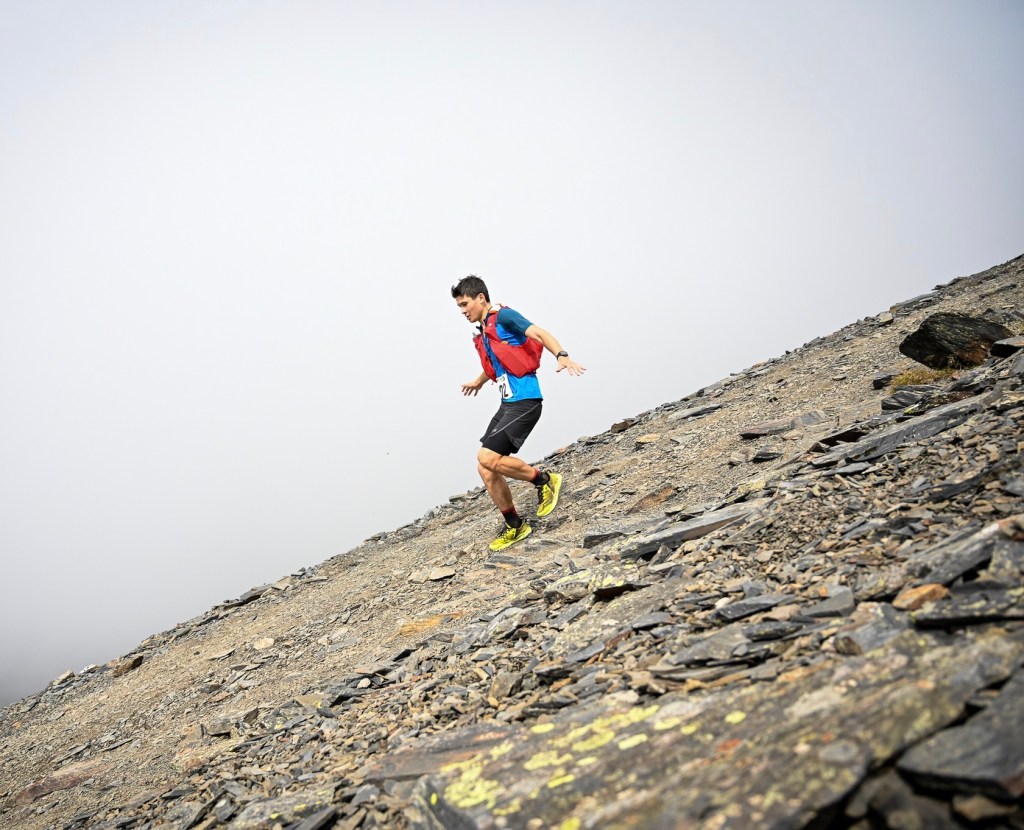
Name: Tim Benger
Occupation: Teacher
Home Town: Watford

Questions
What is your running background?
My athletic prowess was apparent from my school days, which featured highlights such as a substitute appearance in year 8 for the school rugby D team, and participating in PE. These natural talents were complemented by an endurance base developed by my daily paper round. I built upon these sporting foundations at university, although my university sport career was abruptly ended by a back injury (which was ironically picked up whilst running up a hill). After a year of inactivity and attempted recovery, much of which
was spent lying in bed, I decided I needed a new obsession and started running. I have since run every day for over 5 years, running through various discomforts such as shin splints, stress fractures, sprained ankles, and norovirus. I am now tied to running through maintaining my arbitrary run streak. I use running as my primary mode of transport. Sometimes I enjoy running.
When did you first start running Ultra marathons and why?
I’ve always feared running shorter distances races/road races (even parkrun is scary) as I put pressure on myself to achieve arbitrary time goals, and dislike the pain associated with running on the limit and risking failure. Therefore, I took the easy way out and started with ultras, where I can do something I find fulfilling in nice places with less self-imposed pressure. Having started mainly with shorter ultras (50k-50miles), I’ve recently started to work my way both up and down in distance, running my first 100+mile races and my first
road marathon in the past year or so. I am slowly getting over the fear of trying my hardest, which is good timing ahead of Spartathlon.
When or where (at which events) are we most likely to see you?
My race calendar is determined by whether I can convince any car-owning acquaintances to run with me and give me a lift.
What are your personal key running achievements to date?
My fortuitous route to my qualification for Spartathlon featured both of my long ultras:
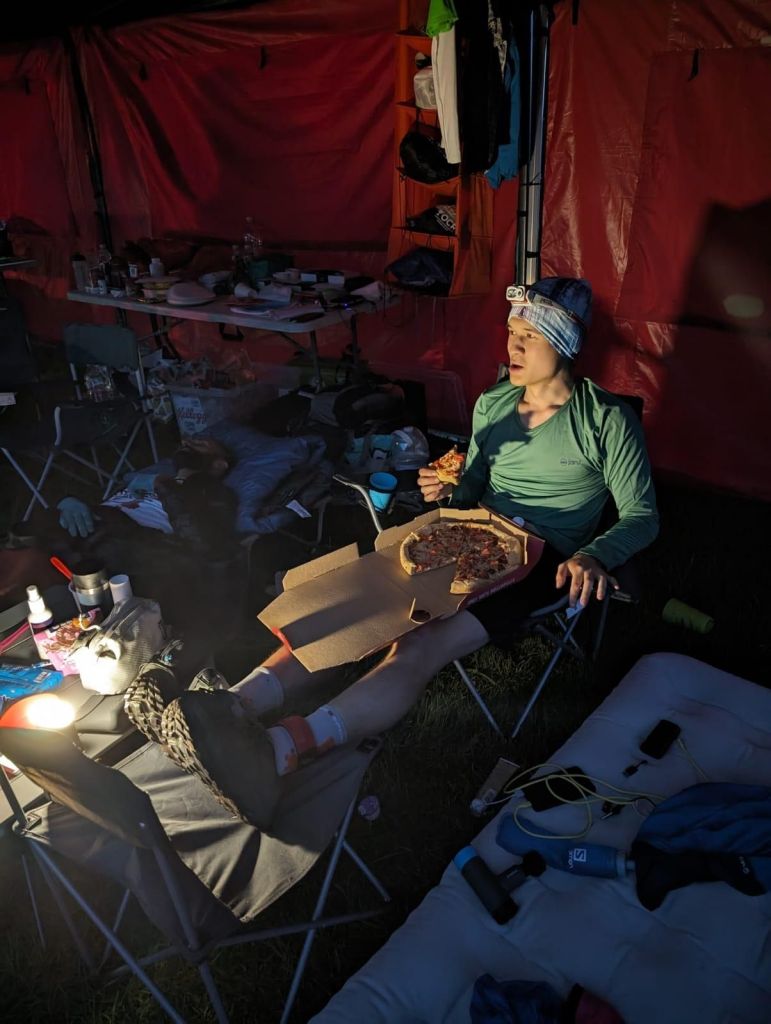
Suffolk Backyard Ultra – 37 yards (154 miles). Just missed out on qualification for the UK Backyard Ultra team, and gutted I didn’t continue for another couple of yards (although a blessing in retrospect).
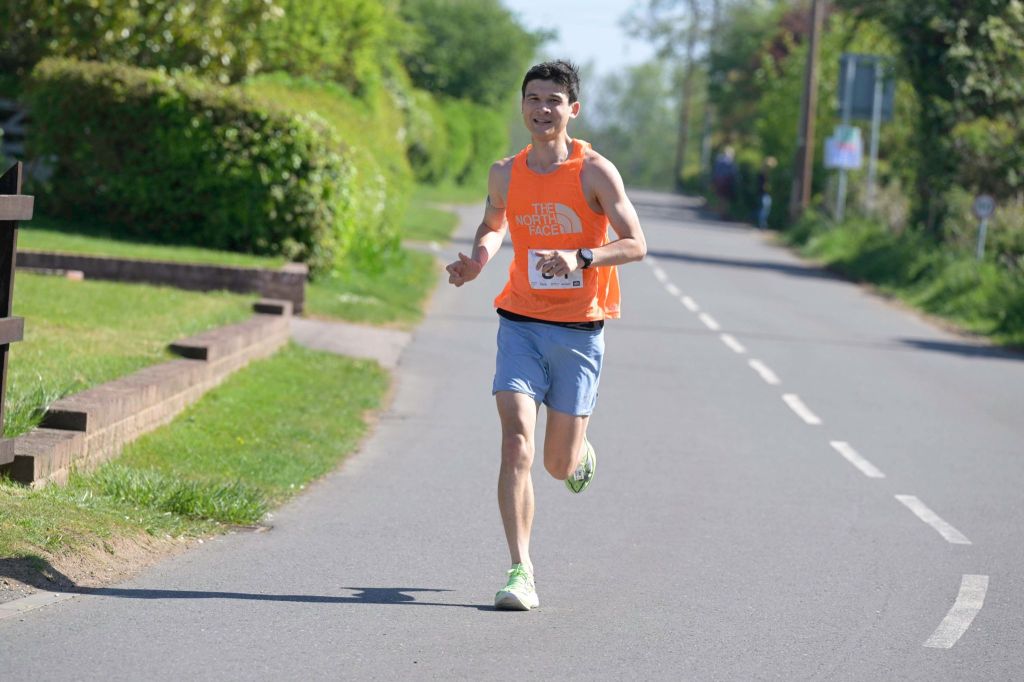
– Cockbain Track 100 – to ease the disappointment of missing out on the Backyard Team World Championships, I tried to find a similar style event (one where most people reactions are ‘why would you do that?’). This 100mile track race was accessible by bus, which was fortunate as I would struggle to convince any car-owning acquaintance to run it with me. I ran the last 10km all-out in a consciously futile attempt to catch first place and prove something to myself, which felt completely liberating and enlightening. This surge was rewarded as I inadvertently achieved a Spartathlon automatic qualifying time, finishing in 15 hours 24 minutes. After hearing great things about Spartathlon from other runners during and after the race, and knowing I might not get another opportunity, here I am.
Other achievements:
Coming 7th in my school cross country race in year 10, having come 91 st the year before and 132nd (out of about 150) in year 7. Still wasn’t given the most improved award. No I’m not bitter about it.
What was your hardest race experience?
Suffolk Backyard Ultra, because I quit. A combination of endless moderate foot pain, a rolled ankle early on, and reaching my completely arbitrary tentative pre-race goal led me to DNF after 154 miles, 37 yards. I don’t think I was in a bad place physically, and hadn’t been close to being timed out, but mentally I was done and had reached a point where I could justify being content with my performance to myself. After some soul-searching writing this to try to determine why I quit and what made it so hard, I’ve realised I currently lack the mentality, modesty, and ankles of the athlete and person I want to be.
What is your typical race strategy for an ultra?
Go out fast but comfortable, and see how long I can keep it up. Might as well bank as much distance as I can whilst I’m feeling good. Might experiment with a new tactic of ‘decide a point where I think I can sprint it in from, and sprint it in’, but this feels a bit riskier.
What does a typical training week look like?
Running to school and back on weekdays (11km each way), then whatever I feel like on the weekends. Usually ends up being about 140-150km a week.
What one tip would you pass onto people running an Ultra marathon for the first time?
Treat aid stations like a buffet.
Can you tell us one interesting fact about yourself?
Not applicable
Have you taken part in the Spartathlon before?
No
What are you looking forward to at the Spartathlon race?
The whole experience, although I have no idea what to expect. I haven’t left the UK for years so that’ll be nice. I look forward to meeting the other runners and people. I hope I can put in a performance I can be proud of, and that I get to enjoy some of the running and scenery along the way.
What are you not looking forward to during the Spartathlon race?
Urgently needing the toilet early in the race. My previous long races (backyard ultra, 100mile race on a track) have been looped, providing the luxury of regular toilet access. Do you need to train with Imodium?
Setting cover work for my classes for the week I’ll be out of school.
How will you prepare specifically for the Spartathlon race?
I will experiment and practice more with nutrition, as I haven’t really had to think too much about it much in previous events. I’ve been trying to run at the hottest parts of the day this summer, although not sure it quite compares to Greece.
Will you be bringing any support crew to the race? (If so, please introduce them briefly)
My sister will be coming, and may support by providing additional hand luggage space and liquid capacity on the plane. Thanks in advance!





 British Spartathlon Team